
If you’re missing a tooth, you may have heard someone mention a dental bridge. But you might be wondering if you really need one or if it’s just one of several possible fixes. The truth is, every smile works a little differently. Some folks in Greenwood can live with a gap for years with only minor issues, while others feel frustrated almost immediately. That’s why it’s helpful to understand what dental bridges actually do and who they help the most.
Getting honest advice matters, especially when you’re thinking about something that affects your ability to chew, talk, or smile. Missing teeth don’t just change how things look. They can change the way your mouth works, and over time, that can cause more trouble than expected. If you’re thinking about dental bridges in Greenwood IN, it helps to start with a look at when and why people consider them.
When a Dental Bridge Might Make Sense
For many people, the biggest reason to fill in a missing tooth is how it changes their daily life. If that gap is keeping you from chewing comfortably or making it hard to speak clearly, those are strong signals that the space is causing more than cosmetic issues.
Even if you can still eat or talk without much trouble, an empty space in your smile can start to mess with your bite. Over time, nearby teeth can lean into the gap, shifting out of place. That movement can lead to uneven pressure on your other teeth, which may cause cracks, wear, or discomfort you never expected.
Here in Greenwood, we’ve seen people choose bridges after struggling with sore jaws, food getting stuck, or extra dental work caused by shifting teeth. A bridge gives you a steady replacement where the missing tooth used to be and helps keep everything else in place. Sometimes, it’s the only way to avoid bigger issues later on.
What a Dental Bridge Actually Does
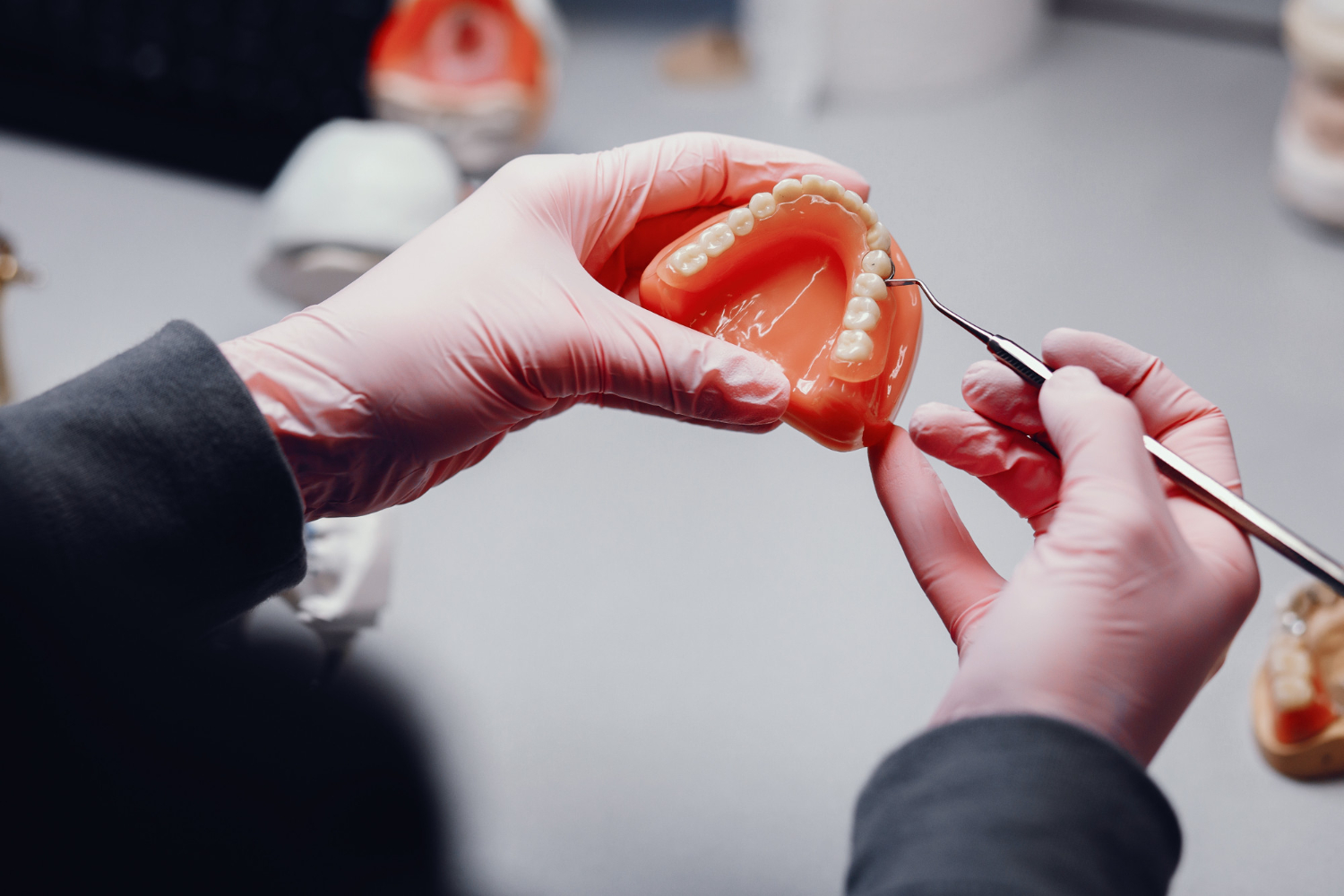
A dental bridge is a tool that fills in the space left by a missing tooth. It’s not something you take out like a retainer. It stays put and looks like a natural tooth. The bridge itself holds a fake tooth in the middle, which is supported by crowns placed on the healthy teeth next to it. These crowns hold everything tightly in place.
Compared to removable partial dentures, bridges tend to feel more stable and less bulky. And while implants are another option, not everyone is ready or a good fit for that kind of procedure. A bridge can be a great middle ground that brings back the function of your bite without a long healing process.
The key to a good bridge is a good fit. That’s where dental crowns come in. These crowns, placed on either side of the gap, need to match both the shape of your existing teeth and your bite. If everything lines up well, you can chew, smile, and talk comfortably again.
At Beautiful Smiles, advanced digital scans are used to help create bridges that fit perfectly with your natural teeth, while tooth-colored materials keep the appearance looking natural and balanced.
Signs You Shouldn’t Ignore
Sometimes it’s tempting to leave that gap alone, especially if your mouth doesn’t hurt. But missing teeth can lead to small, slow changes that add up over time, and not all of them come with warning signs early on.
Here are a few clues your mouth may be feeling the effects of a missing tooth:
– You’re biting your tongue or cheek more often when you eat
– Your jaw feels sore or tired after meals
– You notice uneven wear spots on other teeth
– Your gums near the old tooth feel sensitive or hard to clean
These signs don’t always link directly to the missing spot, but they can often be traced back to how your bite changed to make up for it. That’s why checkups matter. Dentists can spot these early shifts before they turn into something bigger. By catching the problem early, you may prevent damage to the teeth that are still healthy.
Replacing a Missing Tooth the Right Way for Fall and Winter
Late October is a smart time to start fixing dental issues, especially here in Indiana. Cold weather is on the way, and so are the holidays, both of which make it harder to ignore a sore mouth or a smile you’re self-conscious about.
Thanksgiving and winter gatherings usually mean rich foods, family photos, and more time talking and laughing in groups. It’s not fun to spend the season avoiding certain foods because chewing is uncomfortable or hiding your smile in pictures. If a missing tooth is holding you back from enjoying the season, now might be the right moment to take that step.
Families in Greenwood often schedule dental work in the fall since it lines up better with school breaks and time off before the end-of-year rush. Fixing your smile now helps you settle in before New Year routines pick back up.
How Bridges Fit Into Long-Term Care
Once in place, a dental bridge becomes part of your regular dental care, just like the rest of your teeth. It needs brushing, flossing around the edges, and regular cleanings to keep things on track. Your dentist will check how it’s holding up and make small adjustments if your bite starts to change.
If you’ve had other types of dental work like a root canal or gum treatment, your dentist might suggest combining services to make sure everything works together without causing more strain. Sometimes bridges are paired with implants or used after restoring nearby areas that needed extra help.
Most importantly, a bridge helps stop problems before they spread. By filling in the gap, you protect your other teeth from shifting, chipping, or wearing down faster than they should. As part of a bigger care plan, it can keep your whole smile steadier for years to come.
The Confidence That Comes with Filling the Gap
For many people who choose a bridge, the biggest surprise is how much more comfortable everyday things feel again. Talking without a lisp, chewing without second-guessing, and smiling without thinking about it, those changes make a real difference.
Every person’s situation is different, and so is every mouth. That’s why it helps to have someone who can offer real advice and a practical plan based on where you’re starting. Whether your missing tooth has been gone for a while or just came out recently, there’s no pressure to fix it overnight. But the sooner you know your options, the easier it is to move forward when you’re ready.
It’s not about picking the “best fix” out there. It’s about choosing something that works well for you, your routine, and your long-term comfort. Done right, a dental bridge can be a steady solution you don’t have to think about every day. And sometimes, knowing that gap has been taken care of is all it takes to bring a little relief back into your daily life.
Thinking about the next step for a healthier, more natural-looking smile? Our approach to dental bridges in Greenwood, IN focuses on durability, comfort, and fitting your everyday life. At Beautiful Smiles, we’re here to help you move forward with care that feels like a good match from the start.