
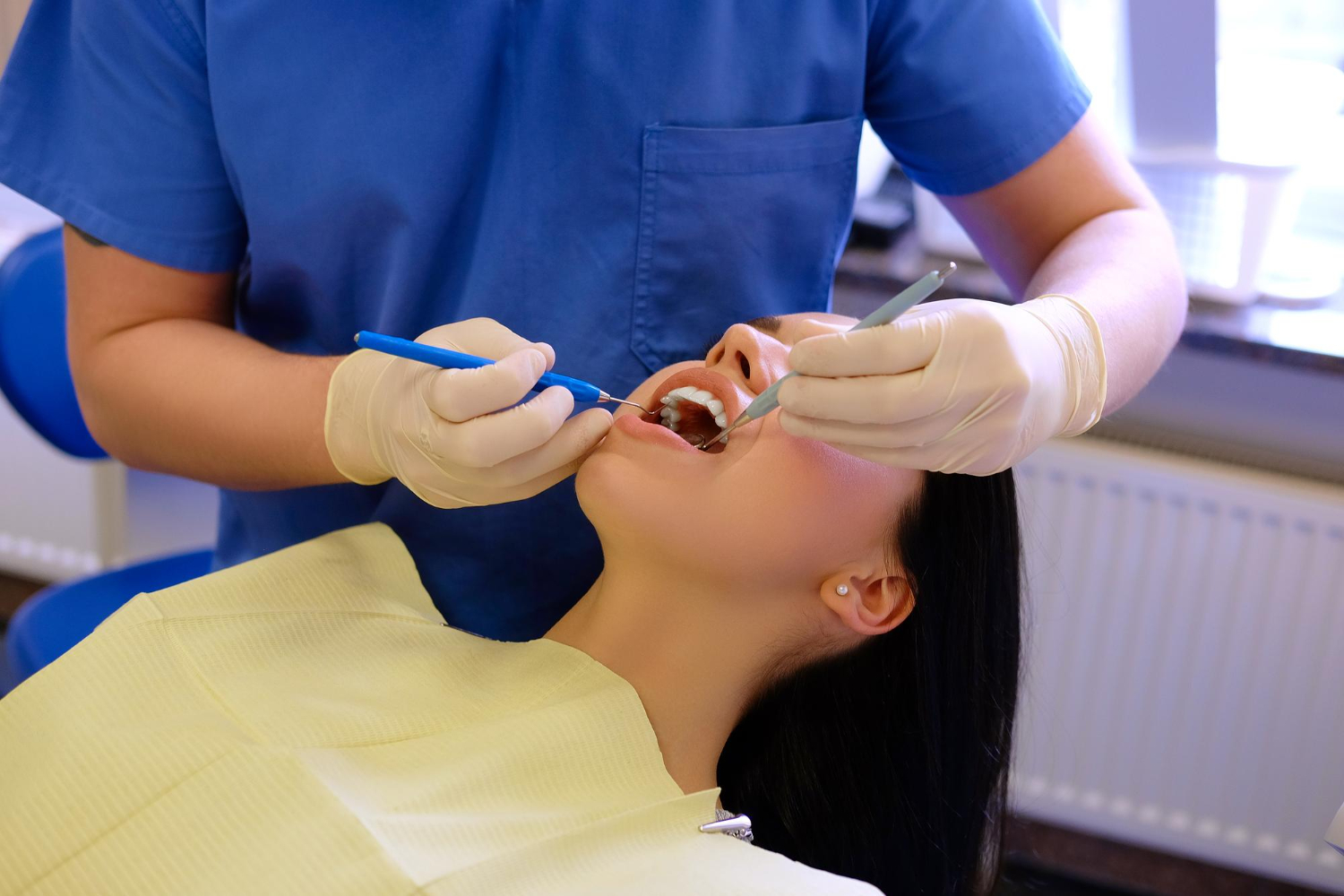
Tooth pain that shows up out of nowhere can stop your whole day. Whether it’s from a fall, a cracked tooth, or an infection that just will not go away, dental emergencies can feel scary and overwhelming. That gets even more stressful when you are trying to figure out what comes next.
An emergency tooth extraction in Greenwood might sound intimidating, but it is often the safest way to stop pain, protect your health, and prevent things from getting worse. When a tooth can’t be saved, removal is usually quick and careful, always with your comfort as the top priority. Knowing what to expect can make this sudden step feel a little more manageable.
When a Tooth Needs to Come Out Fast
Some tooth problems need to be solved right away. If decay has gone deep, if there is a strong infection in the root, or if a tooth cracks all the way through in an accident, it may have to come out fast. Putting it off can make swelling more serious or pain harder to control.
Watch for these signs that you should call the dentist without waiting:
– Throbbing pain that will not let up
– Swelling around the tooth, jaw, or cheek
– A tooth that feels loose or has shifted
– Blood, pus, or fluid along the gumline
Injuries during sports or biting down on something hard can break a tooth clearly. Sometimes the need isn’t obvious until pain flares up out of nowhere. An aching tooth that suddenly swells or starts bleeding quickly becomes an emergency. That is where an urgent dental visit comes in. Removing the damaged tooth eases discomfort and protects the teeth and tissue around it from further harm.
At Beautiful Smiles, digital dental X-rays are used to quickly evaluate your condition and create a clear treatment plan, making emergency care faster and more accurate for Greenwood IN patients.
What to Expect Before the Extraction
An emergency visit starts quickly, but never in a rushed or confusing way. The first step is a quick check-in to talk about your pain and symptoms. Then, X-rays are taken to see what is going on inside and around your tooth. These pictures show if the tooth can be rescued by a root canal or crown, or if removing it is the safest route.
Once there is a clear diagnosis, your dentist explains your options in simple, honest language. If an extraction is needed, you will be told exactly how it works, what to expect during the process, and what you will feel after. Many people get anxious around this stage, especially if it is their first time having a tooth removed. Being walked through each step, being reassured, and knowing it’s normal to be nervous helps ease some of the worry.
Emergency appointments aren’t just about taking out a tooth. They are about answering your questions, keeping things clear, and making sure you are informed every step of the way.
How the Tooth Is Safely Removed
Tooth extractions during an emergency are usually one of two types. The simple kind means the tooth can be gently rocked out of its socket, most often when it is already loose or weakened by decay or trauma. Surgical extractions are needed if the tooth is broken below the gumline or has not fully come through, which may require opening the gum or separating the tooth into pieces for safe removal.
Before anything happens, we always start with local numbing. An anesthetic is given to block pain, and your comfort is the focus before the dentist begins. Some pressure is normal, but there should not be pain. For patients who are anxious or nervous, sedation options can make the visit much easier and more relaxing.
No matter which extraction you need, the process is planned to be gentle and fast. Most procedures last about 20 to 30 minutes, depending on your needs. Many people are surprised at how little discomfort they feel once the numbing takes effect and the tooth comes out.
Sedation dentistry is available at Beautiful Smiles for those who want to remain calm or have a history of dental anxiety, helping make emergency extractions less stressful.
After the Tooth Is Removed: What Comes Next
Once the tooth is out, gauze is placed over the area, and you will be asked to press down softly to help stop any bleeding. The healing process starts right away. Your dentist sends you home with simple instructions to keep things on track and healing smoothly.
Follow these steps to support recovery:
1. Take it easy for the rest of the day, avoiding exercise or heavy lifting.
2. Eat soft, cool foods like applesauce, yogurt, or scrambled eggs.
3. Skip using a straw, and do not smoke. Both can slow recovery and increase the risk of problems.
4. Hold an ice pack on the cheek near the extraction to help reduce swelling.
Some tenderness and swelling are normal, but most people feel a lot better after a day or two. Medication might be recommended for a short time if there is discomfort. Your mouth is healthy and quick to heal, especially with good care from the start.
Now is a smart moment to think about what to do next with the space left by the tooth. Your dentist will talk about options for rebuilding your smile, such as dental implants that look and work like real teeth, or bridges that fill the gap using nearby teeth for support. Crowns may also help if you have weak teeth close by. Losing a tooth in an emergency rarely means you have to go without a confident smile for long.
A Calm Approach to an Unplanned Situation
Emergency tooth extraction is rarely part of anyone’s plans, but it could be the best step in stopping relentless pain and guarding your long-term oral health. By acting quickly and trusting the process, you protect yourself from bigger dental issues and allow your mouth to heal safely.
Taking fast action, getting advice from professionals, and following a few easy care steps at home is the simple formula for healthier days ahead. Whether you are dealing with a surprise accident or a stubborn toothache that flares up without warning, the right support brings relief and helps you get back to normal soon.
At Beautiful Smiles, we often work with patients who are dealing with lingering discomfort or changes after an emergency tooth extraction in Greenwood, helping them think through long-term options like implants, bridges, or other treatments that fit their situation.