
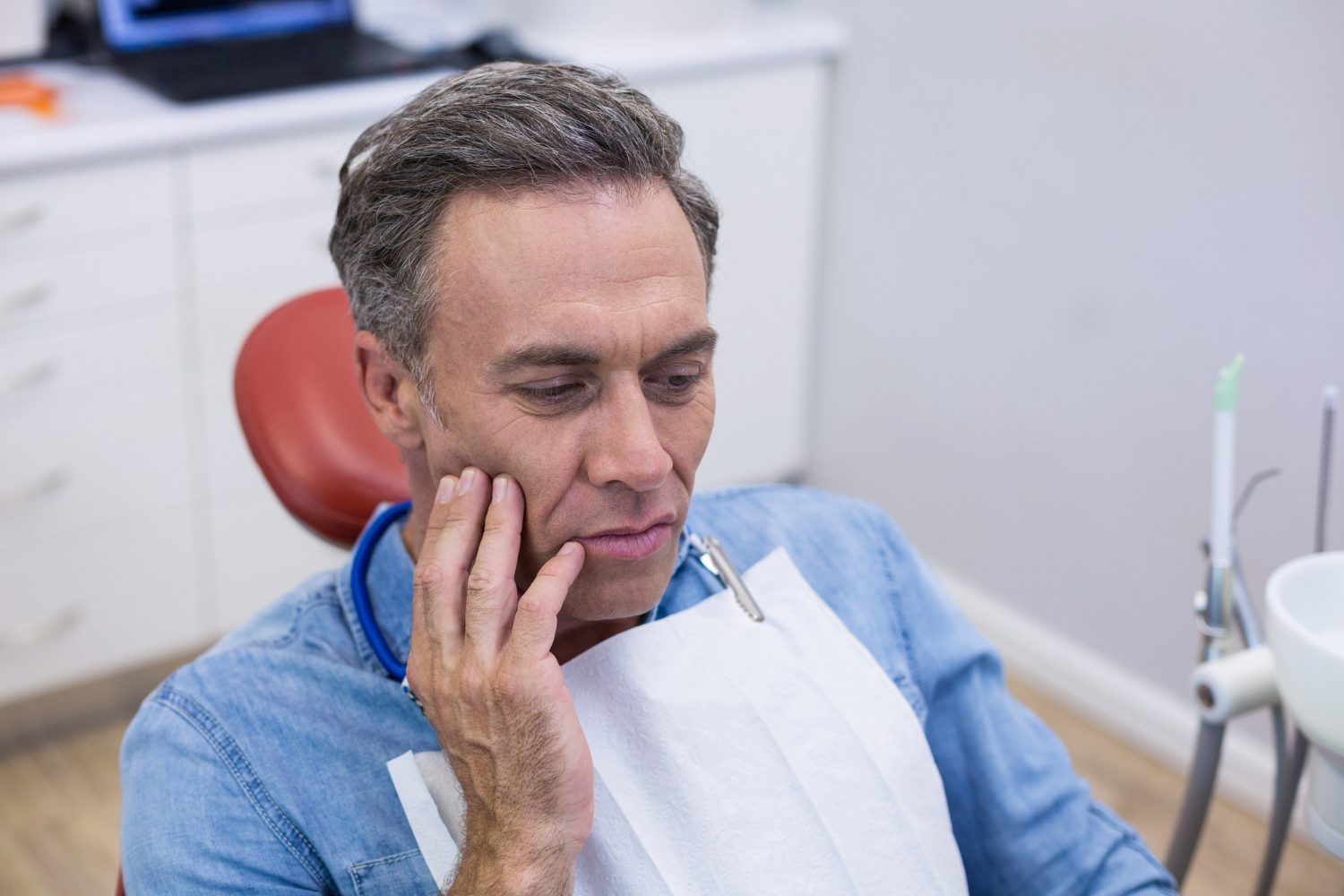
How Aging Teeth Put Your Smile at Greater Risk
After about age 45, many adults start noticing more chips, cracks, or teeth that suddenly break while eating something that never caused a problem before. This is not bad luck. It is usually the result of changes that have been building in your teeth and bite for years. Catching these issues early can help you hold on to your natural teeth longer, avoid dental emergencies, and prevent more complex treatment later.
At Beautiful Smiles in Greenwood, we see this pattern often. The good news is that there are predictable reasons teeth weaken with age, and there are reliable ways to protect and restore them. From prevention and maintenance to crowns, dental veneers in Greenwood, All-on-4 implants, and comfortable care with sedation dentistry, we work with you to keep your smile as strong and confident as possible.
What Really Happens to Teeth After 45
Decades of chewing, sipping, and occasional grinding slowly wear away enamel. Enamel is the hard outer shell of the tooth, and once it is gone, your body does not grow it back. As it becomes thinner, teeth are:
- More likely to chip when you bite something firm
- More sensitive to temperature changes
- Less able to handle grinding or clenching forces
Small cracks or chips that might have been harmless years ago can spread over time and turn into bigger breaks.
Old fillings and other dental work can also weaken. Metal and some older materials expand and contract with temperature changes. Over time this can:
- Create tiny gaps at the edges of fillings
- Allow bacteria and food to sneak in
- Put extra stress on the remaining tooth structure
Older crowns and bridges may not fit your gums and bite the way they once did. If they loosen slightly or the margin is exposed, decay can start underneath, hidden from view, and the tooth can fracture without much warning.
Your bite and jaw joints change with age too. Teeth may shift slightly, especially if you have lost teeth or have gum disease. When the upper and lower teeth no longer meet evenly:
- Certain teeth take more force than others
- Jaw joints can feel sore or click
- Hairline cracks, chips, and worn edges often show up in midlife
Hidden Health and Lifestyle Triggers for Cracked Teeth
Medications are a big factor that many adults do not connect with their dental health. Common prescriptions for blood pressure, allergies, anxiety, depression, and more can reduce saliva. Saliva is your mouth’s natural defense system because it:
- Washes away food particles and acids
- Helps neutralize acid from bacteria and drinks
- Provides minerals that support enamel strength
When your mouth is dry, decay can accelerate and enamel can become more fragile, making breakage more likely.
Grinding and clenching often increase during stressful stages of life, especially when combined with sleep issues. Nighttime grinding, also called bruxism, can flatten teeth and cause microcracks. Signs to watch for include:
- Jaw soreness or tightness in the morning
- Frequent morning headaches
- Shorter, flatter front teeth
- Fine vertical lines or cracks in the enamel
Lifestyle habits can also take a toll. Frequent snacking, sugary or acidic drinks, and flavored waters bathe teeth in acid, slowly wearing the enamel surface. Chewing on ice, hard candies, popcorn kernels, or even biting pens or fingernails can create sudden fractures in weakened teeth. Adults who play contact or high-impact sports without a mouthguard are also at higher risk for chipped or broken teeth from accidental hits or falls.
When a Broken Tooth Needs More Than a Simple Filling
Not every chip is an emergency, but some warning signs mean a tooth needs attention quickly. These include:
- Sharp or shooting pain when you bite down
- Sensitivity to hot, cold, or sweet that lingers
- A visible piece of tooth missing
- A dark line or crack that seems to run vertically
Waiting in these situations can allow the crack to deepen or bacteria to reach the nerve of the tooth. A problem that might have been solved with a simple repair can turn into a tooth that needs a root canal, a crown, or even extraction.
Modern dentistry offers a range of conservative repair options for damaged teeth. For small chips and shallow cracks, we may recommend:
- Tooth-colored bonding to rebuild missing areas
- Small resin or tooth-colored fillings to seal and support the tooth
When a larger portion of the tooth is missing or weakened, stronger solutions are often a better long-term choice, such as:
- Crowns that cover and protect the entire tooth
- Inlays or onlays that rebuild the chewing surface with more support than a filling
For front teeth that are chipped, worn, or cracked, dental veneers in Greenwood can be a strong and natural-looking option. Veneers can both improve appearance and add a protective layer. For patients with many broken, failing, or missing teeth, All-on-4 implants may be a way to replace an entire arch of teeth with a fixed solution instead of traditional dentures.
Veneers, Implants, and Sedation: Rebuilding Confidence After 45
When front teeth are worn, stained, chipped, or slightly crooked, porcelain veneers can transform a tired smile into one that looks more even and youthful. Veneers are thin shells that bond to the front of the teeth and can:
- Cover discoloration that does not respond to whitening
- Restore chipped or uneven edges
- Adjust the shape or size of teeth for a more balanced look
With careful planning, veneers can strengthen the biting edge of front teeth and help guard against future chipping. At Beautiful Smiles, dental veneers in Greenwood are tailored to each person’s facial features, skin tone, and goals so the result looks natural, not fake or bulky.
Sometimes, repeated breakage and widespread wear mean that fixing one tooth at a time no longer makes sense. When many teeth are severely damaged or missing, All-on-4 implants can be a better long-term approach. With this method, a full upper or lower arch of teeth is supported by a small number of strategically placed implants. The result is a secure set of teeth that:
- Stay in place, unlike removable dentures
- Allow more confident chewing and speaking
- Look and feel closer to natural teeth
We also understand that fear or past experiences can keep adults from seeing a dentist until teeth break. Sedation dentistry can help. Options such as nitrous oxide or oral sedation can:
- Reduce anxiety and stress during visits
- Make longer or more involved treatment feel shorter
- Help patients with a strong gag reflex or difficulty sitting still
Everyday Habits That Help Prevent Future Breaks
Prevention is still one of the best ways to protect teeth after 45. Daily home care matters. We typically recommend:
- Brushing twice a day with fluoride toothpaste
- Flossing or using interdental cleaners once a day
- Using fluoride rinses or prescription products when your dentist suggests them
Good home care lowers your risk of cavities that can weaken teeth from the inside out.
Food and drink choices make a difference too. To reduce enamel wear and sudden breakage, consider:
- Limiting soda, sports drinks, and flavored waters that are acidic
- Sipping water after coffee, tea, wine, or juice
- Avoiding chewing on ice, hard candies, and popcorn kernels
- Keeping pens, fingernails, and other non-food items away from your teeth
Protective dental appliances are another powerful tool. A custom nightguard can spread out biting forces, reduce wear from grinding, and help prevent cracks from getting worse. For adults who play on recreational sports teams or practice high-impact workouts, a custom sports mouthguard can protect against injuries that might otherwise lead to broken or knocked-out teeth.
Take the Next Step Toward Stronger Teeth and a Confident Smile
For adults over 45, regular comprehensive exams are especially important, because small cracks, worn fillings, and early bite changes are often easier to spot than to feel. During these visits, we can look for early warning signs and talk through options like conservative repairs, crowns, dental veneers in Greenwood, All-on-4 implants, and sedation dentistry, all tailored to your comfort level and daily life.
It is never too late to protect, restore, or even completely rejuvenate your smile. At Beautiful Smiles in Greenwood, our goal is to help you understand what is happening with your teeth, choose the solutions that fit you best, and feel confident that your smile can stay strong well beyond midlife.
Transform Your Smile With Custom Veneers Today
If you are ready to feel more confident about your teeth, we can help you explore whether dental veneers in Greenwood are the right choice for your smile. At Beautiful Smiles, we take time to understand your goals so we can design veneers that look natural and fit comfortably. To schedule a visit or ask questions, simply contact us and we will walk you through the next steps.